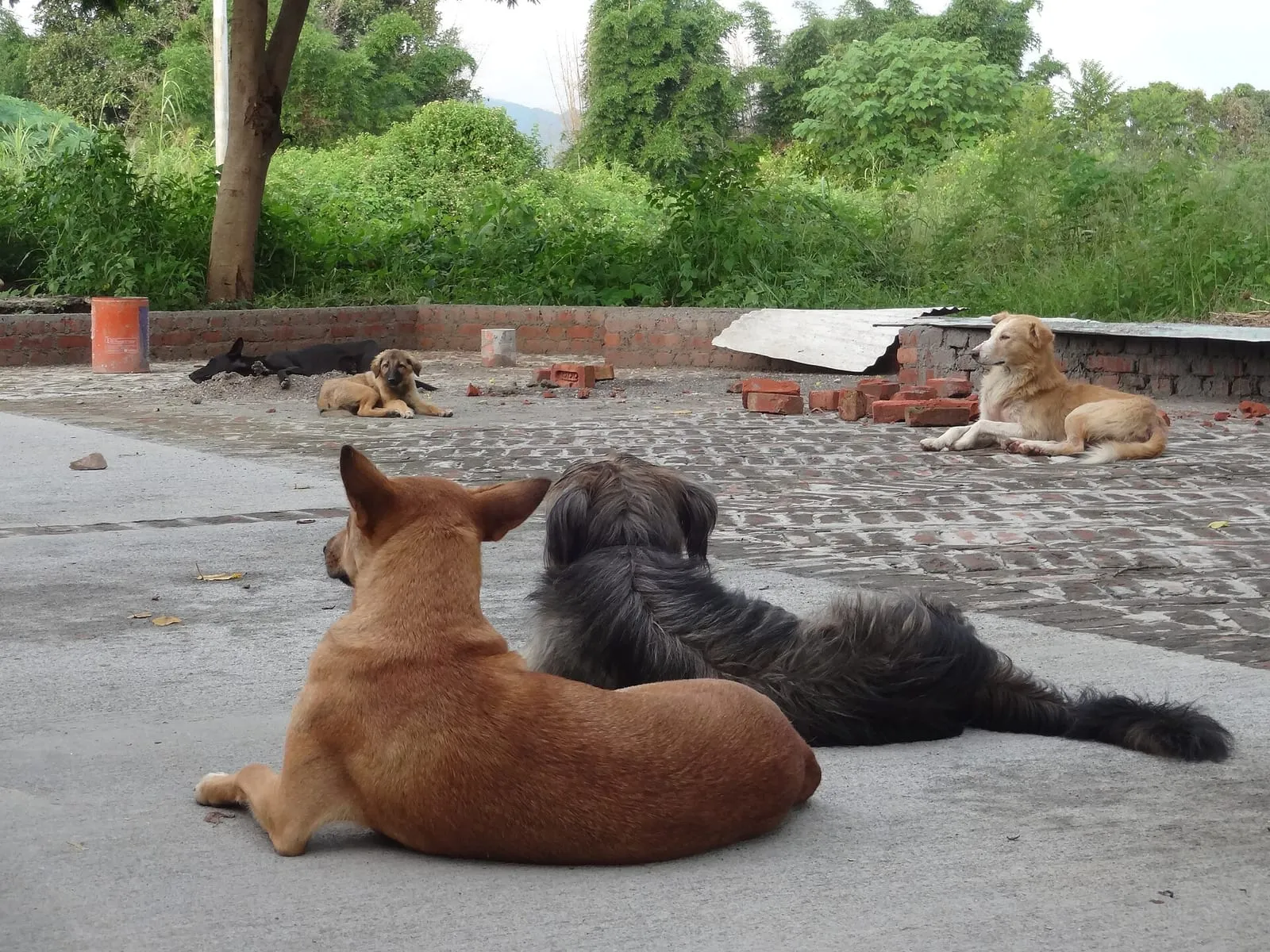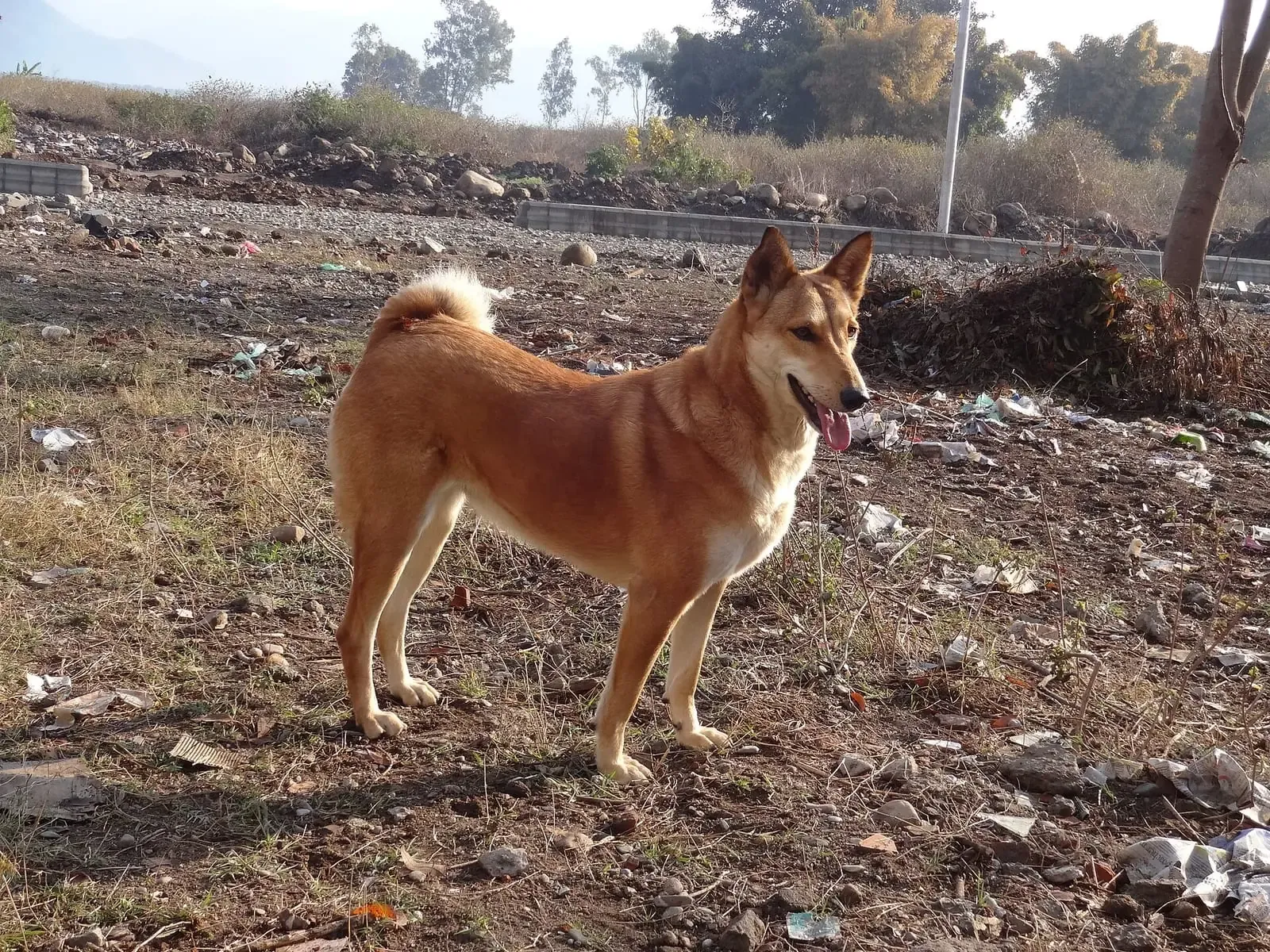
Jalebi never went to a shelter. She just started showing up outside a house in Patiala, Punjab, around 2022, where Alicia, a New Zealander, was training midwifery educators, and where she lived with her partner Arun, who is Indian. A bowl of food led to a second one, and within weeks the dusky-coated street dog with brown eyes had made herself the household’s third resident, whether anyone had formally agreed to that or not.
A dog who didn’t ask permission
By the time Alicia and Arun were due to leave India, Jalebi wasn’t a street dog they fed out of guilt. She was theirs, in every way that mattered except paperwork. “It would have been cruel to leave her back on the streets after she’d become accustomed to being cared for,” the couple told the Indian Weekender. So when Alicia and Arun moved to Melbourne in February 2023, taking Jalebi with them stopped being a question and became a logistics problem.
That problem took two years, from first planning to arrival.
Why an Indian street dog can’t just fly to Australia
Australia doesn’t accept pets shipped directly from India. India isn’t on its list of approved countries, so any dog leaving from there has to be routed through a country Australia does trust, and cleared at each stop before it can move on. For Jalebi, that meant rabies vaccinations, blood tests, and a mandatory three-month wait in India before she could leave at all — paperwork the couple couldn’t have managed alone from another continent, so they leaned on Pankaj, who runs the rescue group Guardians of All Voiceless in Patiala, and a pet relocation company called Pet Fly to handle the on-the-ground logistics.
From there, her route went India to Paris, eight months in foster care while her blood tests and rabies titre results were processed, then on to Auckland for another six. Neither stop was wasted time: the couple used the stopovers in France and New Zealand to get her cleared ahead of arrival. When Jalebi finally landed in Melbourne in June 2024, she walked off the plane and straight into her new life. Australia requires a 10-day quarantine for arriving pets, but because she had already completed hers in New Zealand, she was spared it, according to the Indian Weekender.
Two years of planning, paperwork, vet visits, foster placements, flights and agency fees later, the total came to roughly US$15,000, according to the Indian Weekender — a figure that puts a real number on what it costs to keep a promise made to a street dog.
Life in Melbourne
These days Jalebi has her own Instagram account, followed by more than 13,000 people across India, Australia and New Zealand, who watch her go on morning walks by the river, get dressed in outfits she mostly tolerates, and — according to Alicia and Arun — develop opinions about Mirzapur. It’s an odd second life for a dog who spent her first years reading strangers on an Indian street to work out which ones were safe to approach.
“She’s incredibly adaptable and a quick learner,” the couple said. “It took time, but she’s made significant progress.” Neighbours in their Melbourne building have taken to her too — not something every rehomed street dog manages, since the same alertness that kept Jalebi safe in Patiala can make a new dog wary of apartment corridors, lifts and strangers underfoot. A clip of Alicia and Arun greeting Jalebi partway through her journey passed a million views online, according to Gulf News — a lot of strangers, it turned out, were rooting for a street dog to get her ending too.
Why this one’s worth reading
What got Jalebi from a Patiala street to a Melbourne apartment wasn’t luck so much as two people who noticed a dog had already decided they were hers, and then refused to let a border undo that. The adoption itself happened long before any of the paperwork did — the paperwork just had to catch up. Every street dog that fixes a stranger with that same steady, sizing-up look is asking the same quiet question Jalebi asked outside a house in Patiala. Most people walk past it. Alicia and Arun didn’t, and now there’s a dog with opinions about Mirzapur to show for it.
Common questions
Can you adopt a street dog from India and bring it to Australia?
Yes, but not directly. India isn’t on Australia’s list of approved countries, so any dog has to be routed through one Australia does trust — Jalebi went via Paris and Auckland — with vaccinations, blood tests and vet clearances arranged at each stop. See Why an Indian street dog can’t just fly to Australia.
How much does it cost to relocate a dog from India to Australia?
In Jalebi’s case, roughly US$15,000 across two years of planning, paperwork, vet visits, foster placements, flights and agency fees, per the Indian Weekender. That is one dog’s total, not a quote; costs vary with route and agency. See Why an Indian street dog can’t just fly to Australia.
Why can’t dogs fly directly from India to Australia?
Australia’s biosecurity rules don’t accept pets shipped straight from India, since it isn’t on the approved-country list. Dogs have to be routed through and cleared in a country Australia does trust before they can enter. See Why an Indian street dog can’t just fly to Australia.
How long does it take to relocate a street dog from India to Australia?
About two years from first planning to arrival, in Jalebi’s case. The stages the story names add up to roughly 17 months: three months of mandatory waiting and testing in India, eight months in foster care in Paris, then six in Auckland, after which she skipped the usual quarantine on arrival. See Why an Indian street dog can’t just fly to Australia.
Who is Jalebi?
Jalebi is an Indian street dog who was adopted by Alicia and Arun in Patiala, Punjab, and relocated with them to Melbourne, Australia, in June 2024. See Life in Melbourne.
Sources